
How to Price Your Artwork in 2026: A Practical Guide for Artists
Pricing artwork can feel uncomfortable, especially when your work is personal or when you have not sold many pieces yet. Charge too little and you may lose money, undervalue your time, or make future price increases difficult. Charge too much without an established market and potential buyers may hesitate.
A good price should account for the cost of creating the work, the time involved, your experience, the size and complexity of the piece, and how similar work is priced in your market.
This guide explains how to price original artwork, prints, commissions, and gallery pieces using clear and consistent methods.
Advertisement
Quick Answer
A simple artwork-pricing formula is:
Materials + labor + overhead + profit = base price
For example, an artist who spends $60 on materials and 12 hours creating a painting at an hourly rate of $25 might calculate:
- Materials: $60
- Labor: 12 hours × $25 = $300
- Overhead: $40
- Profit or creative premium: $100
Suggested price: $500
The exact formula can change depending on your experience, demand, medium, and sales history. What matters most is using a repeatable system instead of choosing prices at random.
Why Pricing Artwork Is So Difficult
Art is not priced like an ordinary manufactured product.
A buyer is not only paying for canvas, paint, paper, or clay. They are also paying for the artist’s knowledge, decisions, technique, originality, reputation, and years of practice.
Pricing becomes difficult because artists often mix emotional value with market value. A piece that was personally meaningful or challenging to create may feel more valuable to the artist, but buyers may compare it with other works based on size, medium, style, and the artist’s sales history.
The goal is not to remove emotion from your work. The goal is to build a pricing system that remains fair, explainable, and consistent.
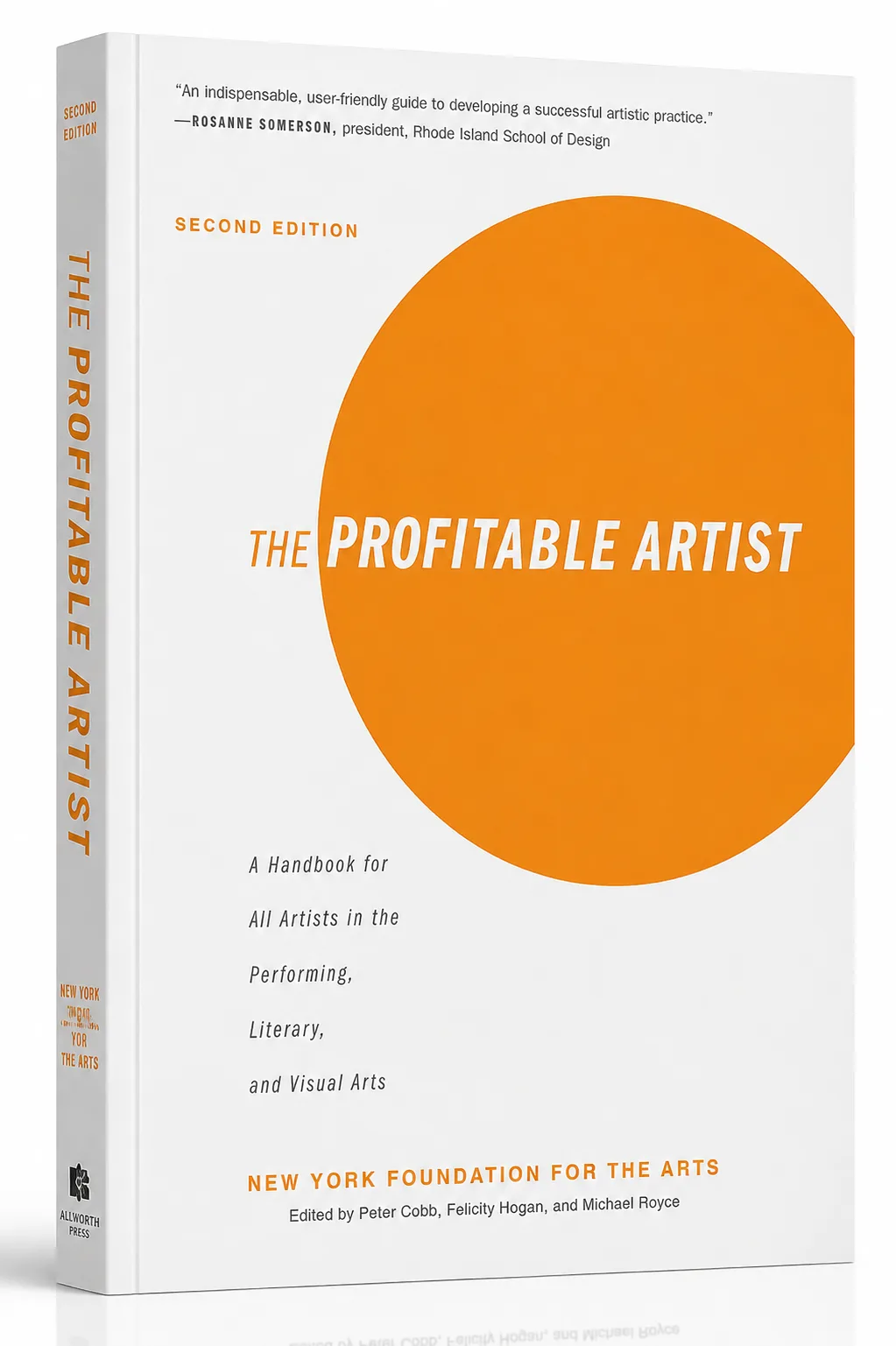
Recommended Reading: The Profitable Artist is one of the best books on pricing artwork, finding collectors, working with galleries, and building a sustainable creative career. Check the current price on Amazon →
A Simple Artwork Pricing Formula
There is no single formula that works for every artist, but the following method provides a practical starting point:
Material costs + labor + overhead + profit = retail price
Calculate Material Costs
Start by listing the materials used to create and present the artwork.
These may include:
- Canvas, paper, wood panels, or clay
- Paint, ink, pencils, markers, or charcoal
- Varnish, sealants, adhesives, or mediums
- Frames, mats, mounting boards, or hardware
- Printing and reproduction costs
- Packaging materials
- Certificates of authenticity
You do not need to calculate the exact amount of every drop of paint. A reasonable estimate is enough, especially if you use similar materials repeatedly.
For frequently used supplies, determine an average material cost for each size or type of artwork.
Choose an Hourly Rate
Your hourly rate should reflect your skill, experience, location, and stage of your career.
A beginner may start with a modest rate while building a sales history. An experienced artist with a recognizable style, strong portfolio, exhibitions, or steady demand can justify a higher rate.
Track how long you spend on:
- Research and planning
- Sketching
- Creating the final artwork
- Drying, finishing, or varnishing
- Framing and presentation
- Communicating with a client
- Preparing the work for delivery
Do not count only the minutes when your brush touches the canvas. The complete creative process has value.
Account for Overhead
Overhead includes business expenses that are not tied to one specific artwork.
Examples include:
- Studio rent
- Electricity and internet
- Website hosting
- Marketing and advertising
- Software subscriptions
- Photography equipment
- Shipping supplies
- Marketplace fees
- Insurance
- Accounting expenses
One simple approach is to add a flat overhead amount to each piece. Another is to calculate your monthly business expenses and divide them by the average number of artworks you produce or sell.
Add Profit
Labor pays you for your time. Profit helps your art business grow.
Profit can be used to:
- Purchase better equipment
- Upgrade your studio
- Attend workshops
- Pay for exhibitions
- Produce prints
- Fund future projects
- Cover slow sales periods
Without profit, you may be replacing materials and paying yourself for labor but never creating a financially sustainable business.
How to Price Original Paintings and Drawings
Original artwork is usually priced using one of three methods:
- Time and materials
- Price by square inch
- Price by linear inch
Time-and-Materials Pricing
This method works well for detailed illustrations, commissions, or pieces whose creation time varies significantly.
Use:
Materials + hours worked × hourly rate + overhead + profit
This method is easy to understand, but it can create inconsistent prices if one painting takes much longer than another of the same size.
Price by Square Inch
Some artists price paintings according to surface area.
Use:
Height × width × price per square inch
A 16-by-20-inch painting contains 320 square inches. At $2 per square inch, the base price would be $640 before adding framing or special presentation costs.
This method creates consistency across different sizes, but it can make large pieces unusually expensive. Many artists lower the per-inch rate as dimensions increase.
Price by Linear Inch
Linear-inch pricing is simpler for artists who work in standard sizes.
Use:
Height + width × linear-inch rate
For a 16-by-20-inch painting at $15 per linear inch:
16 + 20 = 36
36 × $15 = $540
Whichever method you use, apply it consistently to artwork created in similar mediums and at similar stages of your career.
How to Price Art Prints
Prints should usually cost less than original artwork, but the price depends on how the print was produced and how limited it is.
Consider:
- Printing cost
- Paper quality
- Ink quality
- Print dimensions
- Packaging
- Whether the print is signed
- Whether it is part of a limited edition
- Marketplace and payment fees
Open-Edition Prints
Open-edition prints can be reproduced without a fixed limit. They are generally the most affordable option and can help new collectors discover your work.
The price should cover production, packaging, selling fees, and profit.
Limited-Edition Prints
Limited editions are produced in a predetermined quantity, such as 25, 50, or 100 copies.
Each print should be numbered and, ideally, signed by the artist. Smaller editions may command higher prices because fewer copies are available.
For example:
- 1/50 means the first print in an edition of 50.
- 18/50 means the eighteenth print in the edition.
- AP usually indicates an artist’s proof.
Avoid calling a print a limited edition if you intend to continue reproducing the same edition indefinitely.
How to Price Art Commissions
Commission pricing should account for more than the physical artwork.
Custom projects often require:
- Initial consultations
- Reference review
- Preliminary sketches
- Client revisions
- Approval stages
- Special materials
- Deadlines
- Shipping or installation
A commission agreement should clearly define:
- The final size and medium
- The number of included revisions
- The delivery timeline
- Payment milestones
- Usage and reproduction rights
- Cancellation terms
- Shipping costs
Many artists request a nonrefundable deposit before beginning, often followed by a final payment before delivery.
Do not begin a large custom project based only on a verbal promise. A written agreement protects both the artist and the client.
How Gallery Commissions Affect Your Prices
Commercial galleries commonly retain a percentage of the retail price when an artwork sells.
If your direct price for a painting is $500 but a gallery keeps part of each sale, you cannot simply list the same piece at $500 and expect to receive the full amount.
Your gallery price must account for the gallery’s share.
For example, if you need to receive $500 after an equal gallery split, the retail price may need to be approximately $1,000.
It is also important to keep pricing consistent. Selling comparable work directly for much less than the gallery’s listed price can damage trust with the gallery and confuse collectors.
Artists considering representation should also read Artwork Galleries: A Complete Guide to Finding, Buying, and Enjoying Original Art.
Should Similar-Sized Artwork Cost the Same?
Similar works should generally follow a consistent price structure, especially when they share:
- The same medium
- Similar dimensions
- A comparable level of detail
- The same body of work
- Similar framing and presentation
However, prices do not need to be identical in every situation.
A highly detailed work that required substantially more time, rare materials, or an elaborate frame may cost more than a simpler piece of the same size.
The key is being able to explain the difference without making the pricing feel arbitrary.
When Should an Artist Raise Prices?
Raise your prices gradually rather than making dramatic increases without evidence of demand.
Signs that it may be time to increase prices include:
- Your work sells consistently.
- Pieces sell shortly after release.
- You have developed a recognizable body of work.
- You have gained gallery representation.
- Your exhibition history has grown.
- You have a waiting list for commissions.
- Material and business expenses have increased.
- Your skill and presentation have noticeably improved.
An increase of approximately 10% to 20% may be easier for returning collectors to understand than suddenly doubling your prices.
Once prices rise, avoid lowering them casually. Frequent discounts may teach buyers to wait instead of purchasing at full price.
Common Art-Pricing Mistakes
Copying Another Artist’s Prices
Another artist may have a different sales history, audience, reputation, medium, location, or cost structure.
Research comparable artists, but do not copy their numbers without understanding why their work is priced that way.
Charging Only for Materials
Materials are only one part of the value.
A $20 sheet of paper can become a valuable artwork because of the artist’s time, decisions, skill, and originality.
Ignoring Selling Fees
Online platforms, payment processors, galleries, and marketplaces may deduct fees from every transaction.
Calculate the amount you will actually receive—not only the displayed selling price.
Pricing Based on Emotion
A personally meaningful artwork may feel priceless, but that does not automatically establish its market value.
Consider keeping deeply personal pieces instead of assigning an unrealistic price because you are reluctant to sell them.
Constantly Discounting Your Work
Occasional promotions can be useful, but frequent discounts may weaken collector confidence.
Alternatives include:
- Offering smaller works
- Creating affordable prints
- Providing payment plans
- Including free local delivery
- Bundling related pieces
Hiding Your Prices
Some galleries prefer private price inquiries, but independent artists often benefit from making prices easy to find.
Visible pricing removes uncertainty and helps buyers decide whether a piece fits their budget.
Create a Consistent Pricing Sheet
A simple spreadsheet can help you track:
- Artwork title
- Dimensions
- Medium
- Date completed
- Hours worked
- Material cost
- Framing cost
- Base price
- Gallery price
- Sale price
- Buyer
- Sale date
Keeping accurate records makes future pricing easier and helps you identify which sizes, mediums, and subjects sell most successfully.
Example Artwork Pricing Worksheet
| Expense | Example Amount |
|---|---|
| Canvas and materials | $75 |
| Labor: 15 hours at $25 | $375 |
| Overhead allocation | $50 |
| Framing | $100 |
| Profit | $150 |
| Suggested retail price | $750 |
This is only an example. Your hourly rate, materials, demand, and profit goals may be different.
The important part is building a method that you can repeat.
Frequently Asked Questions
How much should a beginner artist charge?
A beginner should charge enough to cover materials, labor, overhead, and a reasonable profit. Start with a consistent formula rather than choosing an artificially low price simply because you are new.
Should I price artwork by size or by time?
Pricing by size works well for consistent bodies of paintings or drawings. Pricing by time may work better for commissions, detailed illustrations, and projects with widely different levels of complexity.
Some artists combine both approaches.
How do I price digital artwork?
Digital artwork should account for labor, software, equipment, revisions, complexity, and licensing rights. A commercial client who plans to use the artwork in advertising may pay more than an individual buying a personal-use illustration.
Should framed artwork cost more?
Yes. Add the cost of the frame, mat, mounting materials, hardware, and time required for presentation. You may also add profit to framing services rather than passing the exact cost directly to the buyer.
How much should I charge for revisions?
Include a limited number of revisions in the initial commission price. State your hourly rate or flat revision fee for additional changes before the project begins.
Can I raise the price of an older artwork?
Yes, especially if your overall prices have increased. Keep prices consistent with your current body of work rather than leaving older pieces permanently undervalued.
Should I negotiate artwork prices?
That depends on your business strategy. Some artists and galleries allow limited negotiation, while others use firm pricing.
Instead of immediately lowering the price, consider offering a payment plan, reduced shipping cost, or a smaller work that better fits the buyer’s budget.
Final Thoughts
Pricing artwork is not about discovering one perfect number. It is about creating a fair and repeatable system that respects your time, covers your costs, supports your business, and makes sense to collectors.
Begin with materials, labor, overhead, and profit. Compare your prices with similar artists, track your sales, and make gradual adjustments as your skills, reputation, and demand grow.
Your prices should evolve with your career—but they should never be chosen at random.